
Lifecycle
Repair or recover? How to read the condition of a fabric cover
The signs that a fabric cover can be patched, the signs it's time for a full recover, and how to make the call before winter makes it for you.
S&T Construction Group · · 2 min read
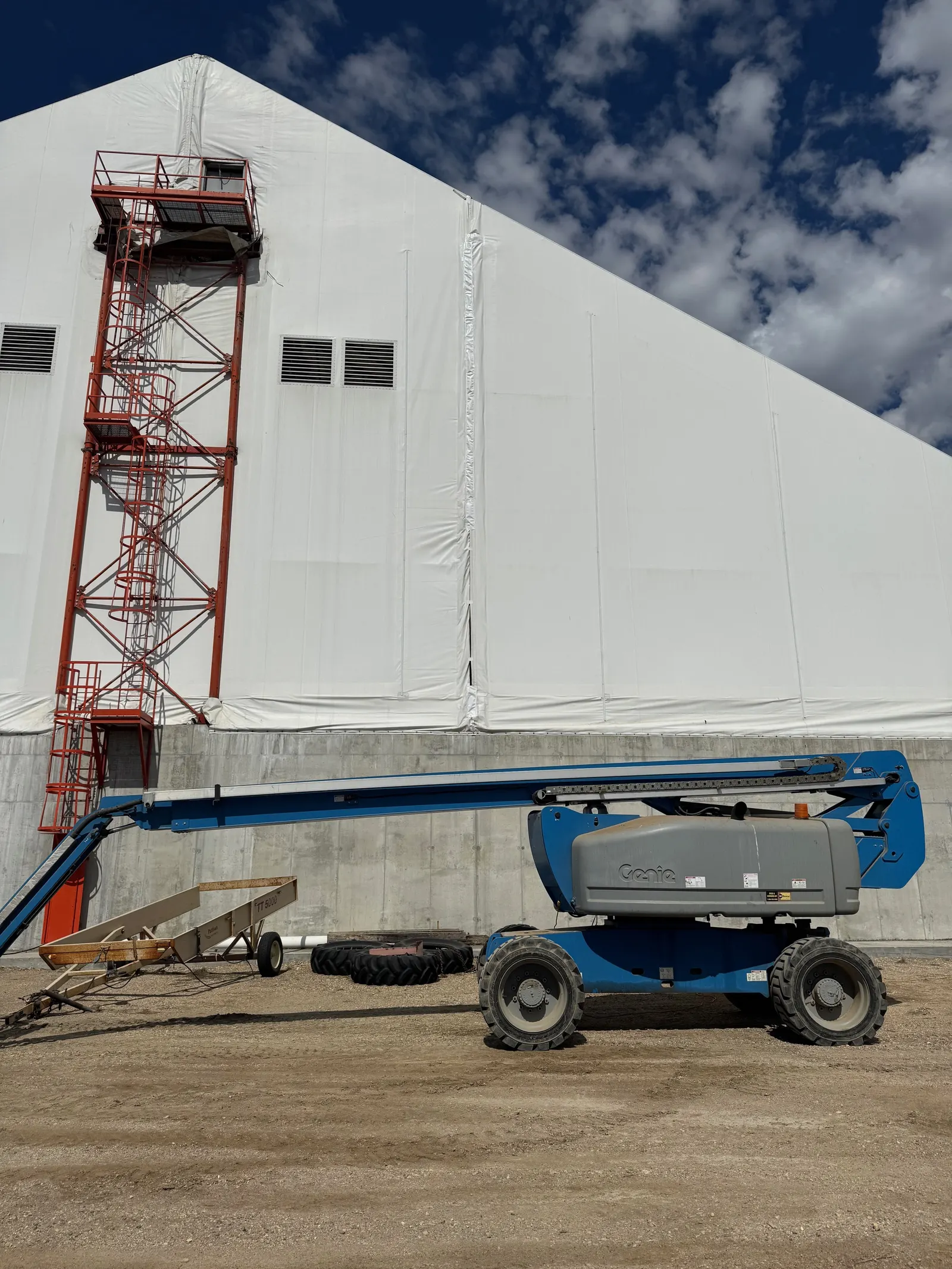
Every fabric cover eventually reaches a point where patching stops making sense. The hard part is recognizing that point before a storm does. Here is how we assess a cover in the field, and how you can do a first pass yourself from the ground.
Start with the frame
A recover only makes sense if the structure underneath is sound. Hot-dip galvanized frames often outlast two or three covers, but look for:
- Rust at base plates and connections
- Bent or kinked members, often from equipment impact
- Corroded cables or seized turnbuckles
Localized frame damage is repairable. Widespread section loss changes the decision, and an inspection will tell you which you’re dealing with.
Signs a repair will do
A repair is usually the right call when damage is localized and the rest of the fabric still has years of life left.
- A single tear or puncture from equipment, wind-borne debris or a snow-clearing mishap.
- Damage at one panel or seam, with the surrounding fabric still flexible.
- Slack cover in one bay that can be brought back to tension.
- Fabric that’s still supple when you press it, without cracking or powdering.
A heat-welded patch or a single panel replacement is a fraction of the cost of a recover and can buy several more seasons.
Signs it’s time to recover
A recover is the better spend when the fabric itself is wearing out:
- Chalking. A white powder rubs off on your hand. The UV-protective surface is breaking down.
- Brittleness. The fabric feels stiff, crackles when flexed, or tears easily at the edges of old patches.
- Multiple failures. Repairs in several places within a season or two.
- Leaks at the peak or seams, where UV exposure is highest.
- Daylight through pinholes across large areas of the cover.
Patching a cover in this condition tends to become a cycle: each repair holds, and the fabric fails beside it.
Why timing matters
Fabric damage grows with every wind event. A slack or torn cover flaps, and flapping chafes the fabric, elongates the keder and fatigues hardware. A small tear in October can become a failed panel by February, when crews are busiest and conditions are worst.
A fall inspection gives you time to schedule a repair, or to order fabric for a recover, before snow load season. Fabric lead time is usually a few weeks after measurements are confirmed.
What a recover involves
When the frame is sound, a recover replaces the membrane and the hardware that holds it: cables, keder and tensioning components. Fabric is pre-cut to measured dimensions so the building isn’t left open overnight, and contents can usually stay in place under staged protection. On a typical building the on-site work takes a few days, and the result is a new cover with a new warranty on a frame you already own.
Getting a straight answer
Send us photos of the cover, the base connections and any damage, along with the building’s size and make if you know it. Because we do both repairs and recovers, you’ll get a recommendation based on the building’s condition, not on what we’d prefer to sell.